Championing inclusive language
Language reflects culture. It shapes how people perceive themselves and one another; whether they belong, whether they’re valued, and whether the space is designed with them in mind. Inclusive language isn’t just polite; it’s powerful. It builds clarity, signals respect, and becomes part of what defines your organisation at every level.
Why inclusive language matters
Inclusive language fosters psychological safety by ensuring that people feel seen, respected, and valued through the words an organisation chooses. It enhances clarity by avoiding jargon, stereotypes, or assumptions about identity that can cause confusion or exclusion.
When everyone across an organisation communicates inclusively, it builds consistency and trust and becomes the way the organisation as a whole chooses to talk and work together.
Documentation
Start by ensuring your documentation reflects inclusive standards. An internal inclusive language guide provides a shared point of reference and can evolve alongside your organisation.
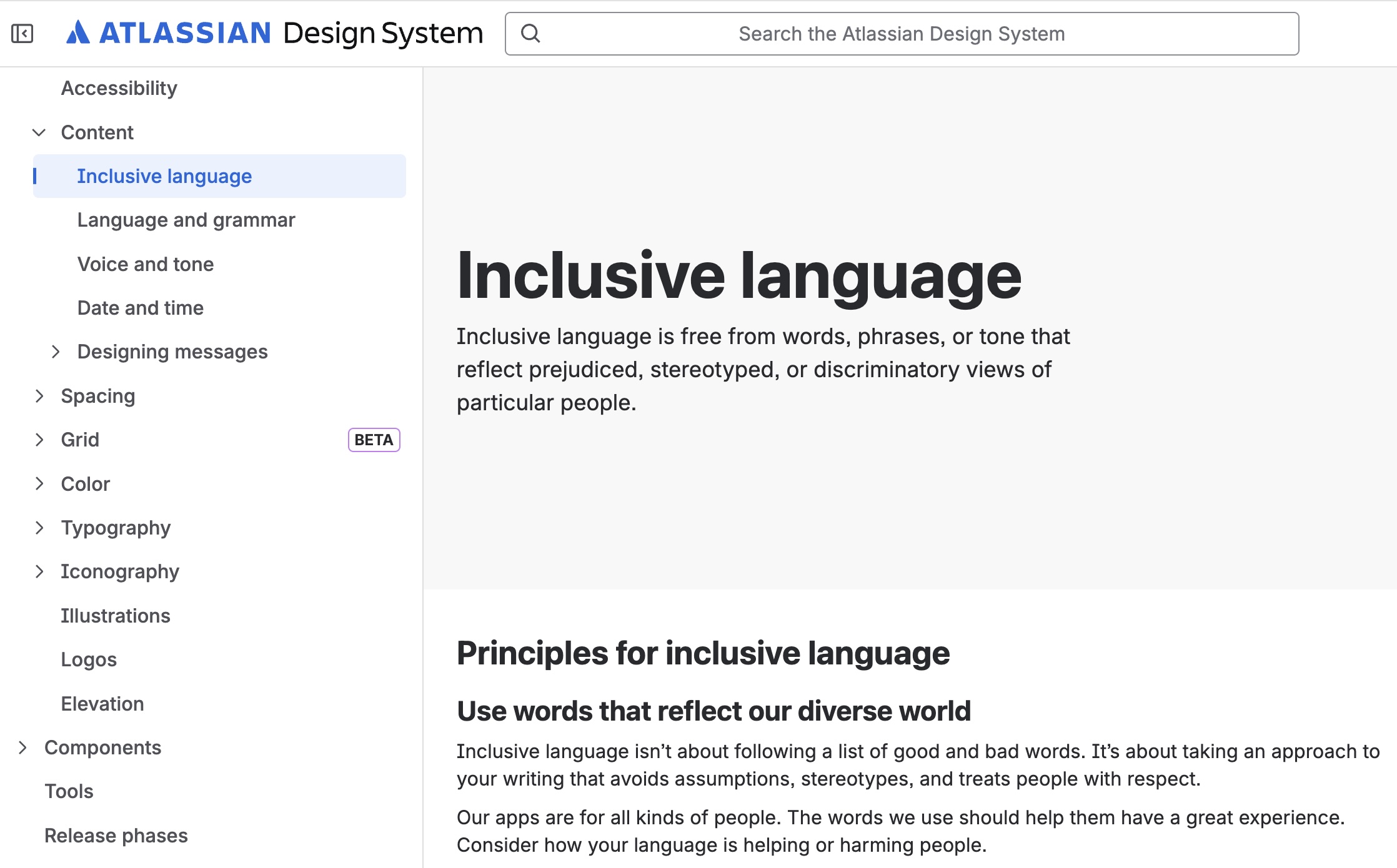
It can provide guidance on topics such as using person-first language, such as “a person with a disability,” while also recognising that identity-first language, such as “disabled person,” may be preferred by some communities.
It can also guide writers toward neutral alternatives, like “chairperson” instead of “chairman", encourage clarity by avoiding idioms or jargon that not everyone will understand and provide nuanced examples of the language relating to different communities. For example, “Deaf person” with a capital D when referring to members of the Deaf community, rather than “hearing impaired”.
Avoid a negative bias when talking or writing about disability. Phrases such as "suffers from", "wheelchair-bound", or "confined to" all imply a level of discomfort and hopelessness. Instead, use language that respects disabled people as active individuals with control over their own lives. For example, "someone who is blind", "person with a mental health condition", or "wheelchair-user".
By embedding these practices into editorial guidance, you set expectations that shape how all content is created and how team members communicate with one another.
Build into tools & content workflows
Inclusive language should not stop at documents; it needs to be reflected in the tools and interfaces people use every day.
Internal systems and customer-facing platforms should default to a respectful, neutral tone. For example, error messages should explain what has gone wrong without placing blame. For example, “Something went wrong” is far more inclusive than “You did something wrong" or "user error". Better still, include an error message that explains how to correct the error in plain language as shown in the following example.
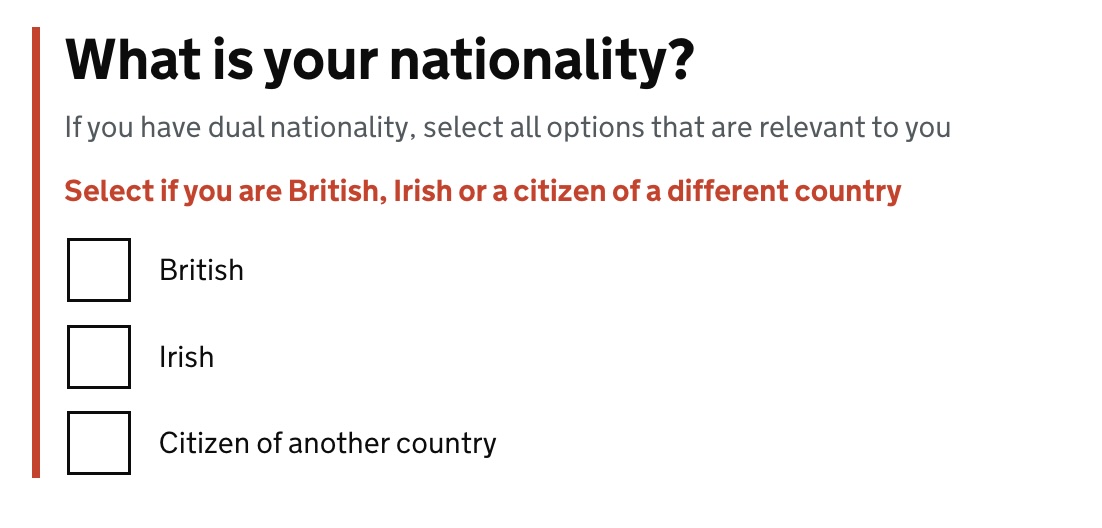
Forms should allow for non-binary and diverse options where gender or pronouns are requested. Gender fields, for example, should allow people to self-describe rather than forcing a binary choice. If your form does not allow for text fields, consider offering the option of "Prefer not to say".
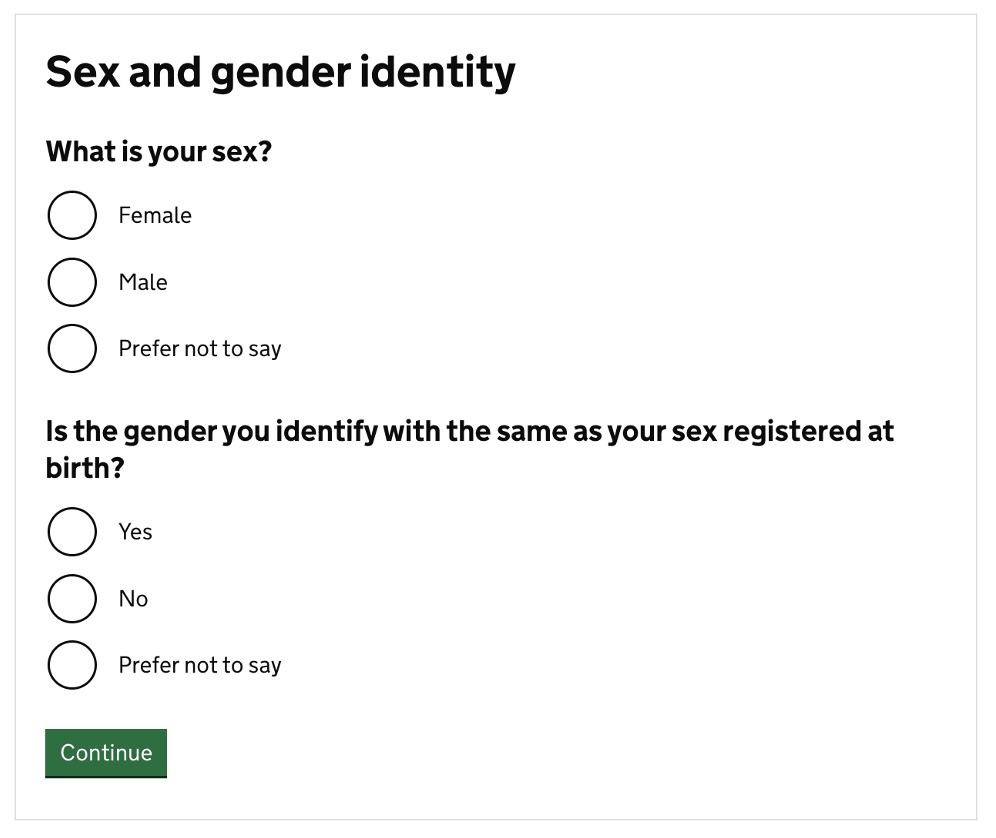
Sensitive data should only be collected when there is a clear and necessary reason, and always with an explanation of why it is required and how it will be used, while providing the option not to disclose.
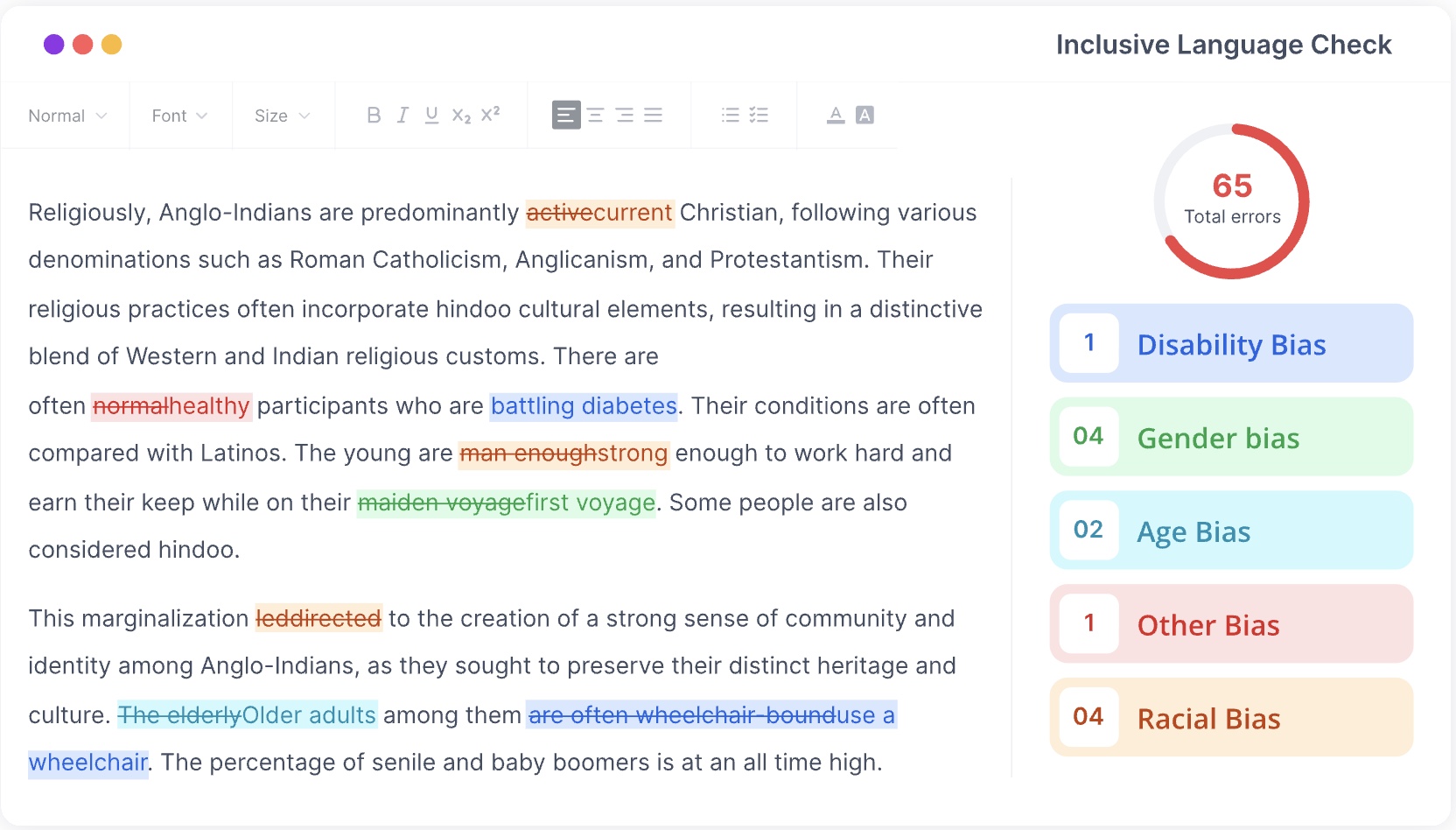
Workflows should also embed checks for language in reviews, just as you would check for accuracy or accessibility issues. Adding inclusive language to content reviews, code reviews, and design approvals ensures that respectful communication becomes routine, rather than relying on individuals to notice problems.
Communication
Language is central to how teams interact, and inclusive communication should be a visible part of team culture. Encouraging people to share their pronouns and ensuring names and preferences are respected sets an open atmosphere.
When someone says they prefer “Deaf person” instead of “hearing impaired", for example, respecting that choice demonstrates that you value identity and autonomy and don't presume to know better than someone else's lived experience.
Providing training and resources equips teams with the tools to recognise when language may be non-inclusive. For example, pointing out that “wheelchair-bound” is stigmatising, and suggesting “wheelchair user” instead, helps people make better choices in future and avoids reinforcing stereotypes.
Inclusive language should also be introduced as part of onboarding so that new staff understand from the start what is expected of them. When leaders also model inclusive language in their own interactions, it signals that this is not optional behaviour but part of the organisation’s values.
Summary
Inclusive language isn’t just a gesture — it is an indicator of how much an organisation, and the people within it, value clarity, respect, and belonging.
When it is embedded into documentation, built into tools and workflows, and modelled in everyday communication, it becomes a natural part of the way people work together.
This shapes your teams, offers a supportive, safe working environment and makes it far more likely you will have a happy workforce who feel valued, included, and respected.
Further reading
- GOV.UK's Guidance on inclusive language: words to use and avoid when writing about disability
- ADA Factsheet: Guidelines for Writing About People With Disabilities
- The Inclusive Design Principles
- Understanding Success Criterion 3.1.3: Unusual Words - W3C
Next steps
For more information about the Web Content Accessibility Guidelines, read our WCAG primer or find out more about how our assessments can help you identify issues in your websites, mobile applications, design systems, and other products and services.