Ela Gorla
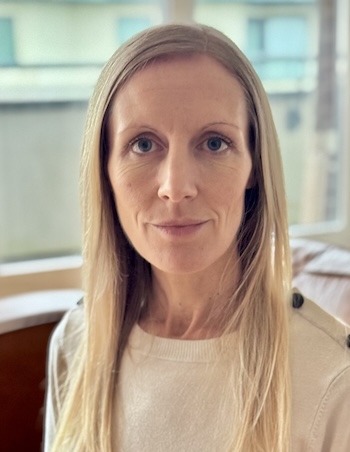
Ela is a Principal Accessibility Specialist. She specialises in sustainable accessibility and inclusive user research.
Ela started her career in accessibility consultancy in 2008 and has since helped small and large companies, as well as public organisations, achieve their accessibility goals. Ela was part of the accessibility team in Barclays, playing an important role in integrating accessibility into governance processes and producing accessibility guidelines and standards.
Alongside consultancy, Ela has a deep knowledge of inclusive user research practices and extensive experience training. She has contributed to the W3C Authoring Tool Accessibility Guidelines as a tester, has participated in the Scope Big Hack advisory board, and is currently a Non-Executive Director of the Let's Talk UX Brighton community.
Posts by Ela Gorla
Designing for people with no or limited mobility
People with limited or no mobility use a wide range of assistive technology, alternative input devices, and accessibility settings to interact with digital content. As you design your websites and mobile apps, how can you ensure they work well for them? This post explores important considerations for designing for people with moving disabilities.
Accessibility in the age of AI
Artificial Intelligence (AI) is now used by many teams, in many organisations. With its promise of improved efficiency and speed, it's easy to see why. But what does the widespread adoption of AI mean for accessibility?
Designing for people who are D/deaf
We don't often think about design in relation to the needs and expectations of D/deaf people. However, many of the choices we make when designing products and services - from the positioning and labelling of items to the selection of form elements and the use of plain language - can have a significant impact on the experience of D/deaf people.
Inclusive user research: vulnerable people
When running research with vulnerable people, such as people who have been bereaved, people in financial difficulty, or survivors of abuse or violence, it's essential to create an environment where participants feel safe and where researchers are skilled, supported, and able to work confidently and responsibly.
Accessible building blocks for the web videos
By applying accessibility considerations to the building blocks of your web content you can create digital products that everyone can use.
Our Accessible building blocks for web video series introduces key accessibility considerations for some of the most widely used elements on websites - from headings to images, links, buttons, and form fields.
Common accessibility misconceptions
Our Common accessibility misconceptions series sheds light on many misunderstood aspects of accessibility.
Common misconceptions about testing accessibility
Testing for accessibility is often misunderstood. Teams either overestimate what tools can do, underestimate their own role, or assume testing is something that happens once only, at completion of the development process.
In this post we tackle some of the most frequent misconceptions about accessibility testing.
Common misconceptions about implementing accessibility
For many organisations and digital teams, knowing how to start implementing accessibility and how to sustain it over time isn't always straightforward. Teams often wonder who is responsible, which tools to use, and when accessibility should be considered.
Common misconceptions about WCAG
Most people working in digital are aware of the Web Content Accessibility Guidelines (WCAG) and know they can help make digital products work for everyone. However, the way the guidelines are discussed often leads to mixed assumptions about what they cover and how they should be used.
Common misconceptions about screen readers
Screen readers are familiar to many in digital, but how they work in practice can be less clear. In this post, we shed some light on the topic.
Why inclusive products are green products
More and more organisations are conscious about the environmental impact of their products - both physical or digital - and are trying to make positive changes.
Applying inclusive best practices when designing digital products results not only in more accessible products but also in more sustainable ones.
European Accessibility Act (EAA) FAQ
The European Accessibility Act (EAA) came into effect on 28 June 2025. Many of our customers have asked what impact that may have on the digital services they offer.
This post provides information on the application of the EAA in the context of websites and mobile apps.
Inclusive user research: building rapport
Anyone who has ever conducted user research can appreciate the importance of building rapport with participants. When running inclusive user research, how can you build trust and mutual understanding with disabled participants?
Foundations: native versus custom components
Deciding whether to use native or custom components for a website or web application can have implications in terms of development effort, user experience, and accessibility. This post considers the pros and cons of each approach with a focus on accessibility, and provides guidance on how to choose one.
Inclusive user research: recruiting participants
One of the most important and challenging aspects of running inclusive user research is finding participants with a wide range of access needs, who can provide feedback on different features of your products. Our third post from the Inclusive user research series answers key questions around recruitment.
Inclusive user research: analysing findings
In inclusive user research: moderating sessions we covered the skills and techniques that help researchers run sessions smoothly and collect valuable insights. The second post in our Inclusive user research series discusses some of the unique challenges posed by findings from sessions run with people with disabilities, and advice on how to analyse them.
Quick accessibility tests anyone can do
These 10 quick accessibility tests can help you understand how easy or difficult it is for people with disabilities to perceive, operate and understand content on your website or mobile app. The tests are helpful for anyone wishing to get an idea of a product's support for accessibility, including project managers, content editors, procurement managers, and many others.
Inclusive user research: moderating sessions
All user research projects should include people with disabilities. Representing at least 15% of the world population, according to The World Bank, and potentially your target market, it doesn't make sense to exclude them. This post provides user researchers with tips on how to best moderate usability testing sessions where participants have a disability.
An inclusive approach to video production
Some people find accessing audio or visual content in video challenging or impossible; for this reason, providing alternatives is a requirement of the Web Content Accessibility Guidelines (WCAG) 2.1. It is a common belief that producing alternatives are expensive and time-consuming. This can be the case when accessibility is not considered at the planning stage of video content.
This article describes an inclusive approach to video production that allows you to create accessible videos without expensive add-ons.